
The Jewbans: Jewish Cuban Heritage in the United States


The Jewbans: A Unique Cultural Blend of Cuban Jews in the U.S.
The story of the "Jewbans," a blend of Jewish and Cuban cultures, is a fascinating one. It begins with Jewish immigrants who fled Europe and found refuge in Cuba. Over the years, these Jewish Cubans, or "Jewbans," have created a unique cultural identity, especially in the U.S.
Jewish immigrants first arrived in Cuba in the early 20th century. They were escaping persecution in Europe. Many settled in Havana, creating a vibrant Jewish community. They built synagogues, schools, and businesses.
If you plan to visit Havana, you can now book tours of Jewish Cuba that showcase the island's contemporary Jewish community and the history built by these "Jewbans" throughout the 20th century.

Migration. Miami became a major hub for these immigrants. They brought with them their rich cultural heritage.
In Miami, the Jewban community thrived. They opened businesses and integrated into the local culture. Despite challenges, they maintained their Jewish traditions and Cuban customs.

The Cuban Hebrew Congregation in Miami, Temple Beth Shmuel is an example of the presence of this unique Jewish community. Founded in 1961 mostly by Ashkenazi families who had settled in Cuba and emigrated to the United States around 1960. Today this congregation remains a symbol of the history of the Jewbans in North America.
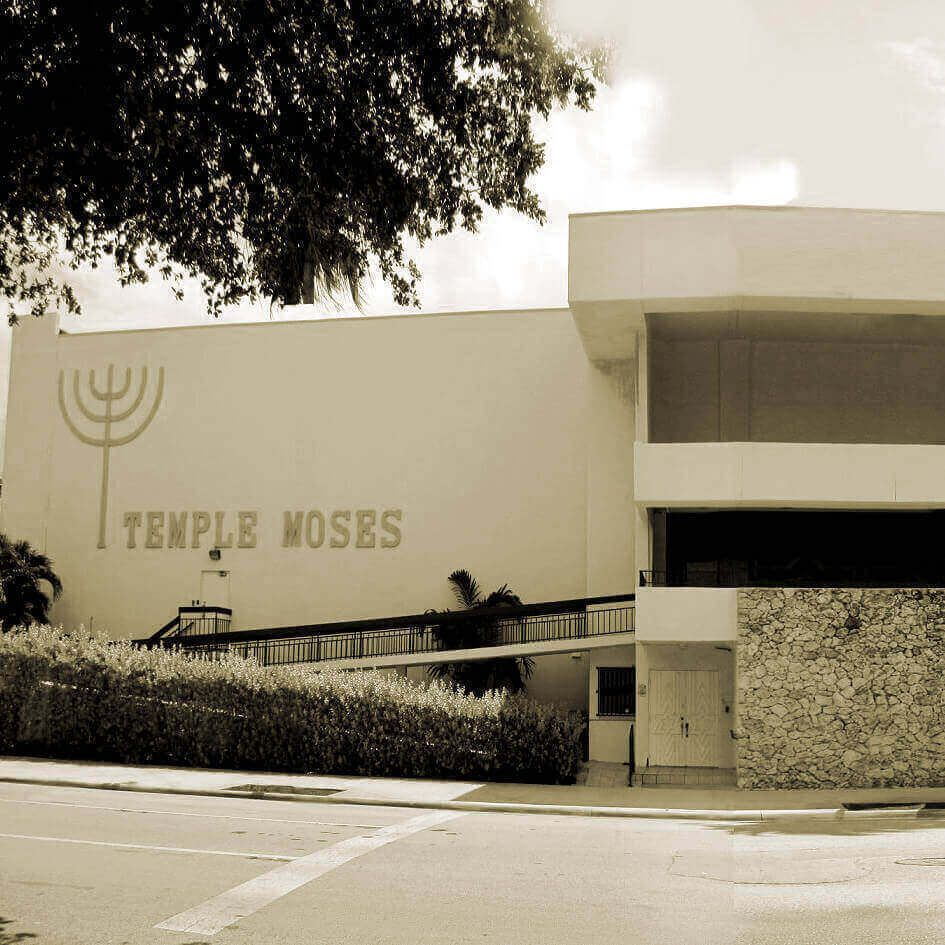
Located in the heart of Miami Beach, Temple Moses, also known as the Sephardic Congregation of Florida, stands as a landmark of the Sephardic Jewish community in the United States. Founded in 1968 by Cuban Jews, the temple has since become a gathering place dedicated to preserving and celebrating Sephardic traditions. Beyond the spiritual aspect, the temple fosters a community life with educational programs, social activities, and the popular community kitchen, “La Cocina.”
Jewban Personalities
The Jewbans have left a significant mark on cultural, academic, and business life in the United States, particularly in cities like Miami and New York. Many of them not only rebuilt their lives after fleeing Cuba, but also actively contributed to American society while preserving their dual identity as both Jewish and Cuban.
One of the most prominent figures in this community is renowned anthropologist, author, and scholar Ruth Behar (1956), born in Havana and raised in New York. Her work has been instrumental in documenting the history of Cuban jews. In books like An Island Called Home, Behar explores themes of displacement, memory, and cultural legacy with depth and emotional insight—focusing on both Jews who remained in Cuba and those in the diaspora.
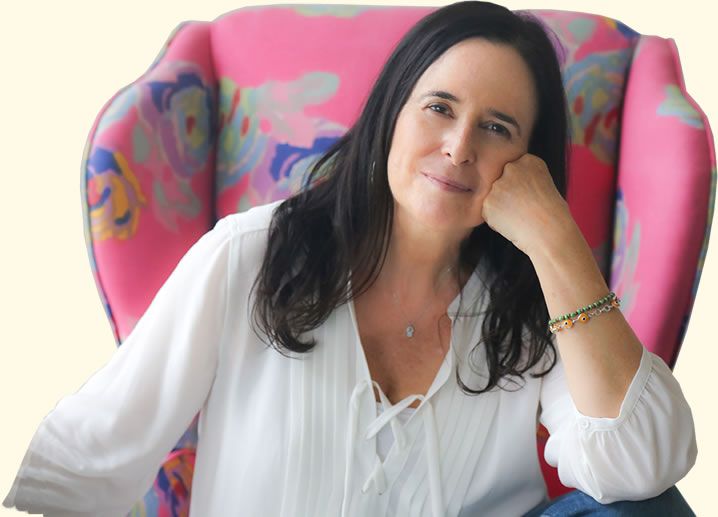
In addition to her academic work at the University of Michigan, Behar has become a leading voice in intercultural dialogue and a passionate advocate for the power of personal stories to illuminate broader historical forces. Her contributions not only give voice to a unique community but also enrich the wider narrative of Jewish immigration in the Americas.
Another emblematic figure of the Cuban-Jewish identity in the United States is Baruj Salinas (1935 - 2024), a renowned painter whose work reflects a deep connection between spirituality, memory, and migration. Born in Havana and later based in Miami, Salinas represents the cultural evolution of the Cuban Jewish community beyond the island.
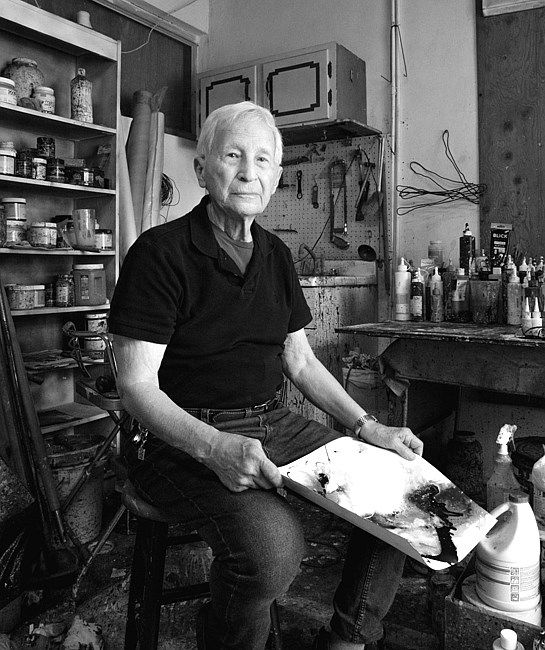
Through abstract forms, vibrant colors, and Hebrew symbolism, he creates a visual narrative that bridges his past in Cuba with his life in the American diaspora. Salinas's work has been exhibited in renowned venues such as the Instituto Nacional de Bellas Artes (INBA) in Mexico City (1971), the Ft. Lauderdale Museum of Art (1969), the Centre Culturel Editart in Geneva, Switzerland (1977), and the Galería Pecanins in Barcelona, Spain (1975) and the Museo Americano de la Diáspora Cubana, Miami (2022)
Challenges and Resilience
Despite their success, Jewbans have faced challenges. Adapting to a new country while preserving their cultural identity is not easy. Yet, their resilience has allowed them to thrive.
Intergenerational differences also pose challenges. Younger Jewbans may feel less connected to their heritage. However, community efforts aim to keep traditions alive.
Looking Forward
The future of the Jewban community looks promising. They continue to celebrate their heritage and contribute to society. Their unique blend of cultures enriches the American cultural mosaic.
As they move forward, Jewbans will likely continue to adapt and evolve. Their story is a testament to the strength and resilience of immigrant communities.